
What Is Couverture Chocolate and Why Does It Matter?
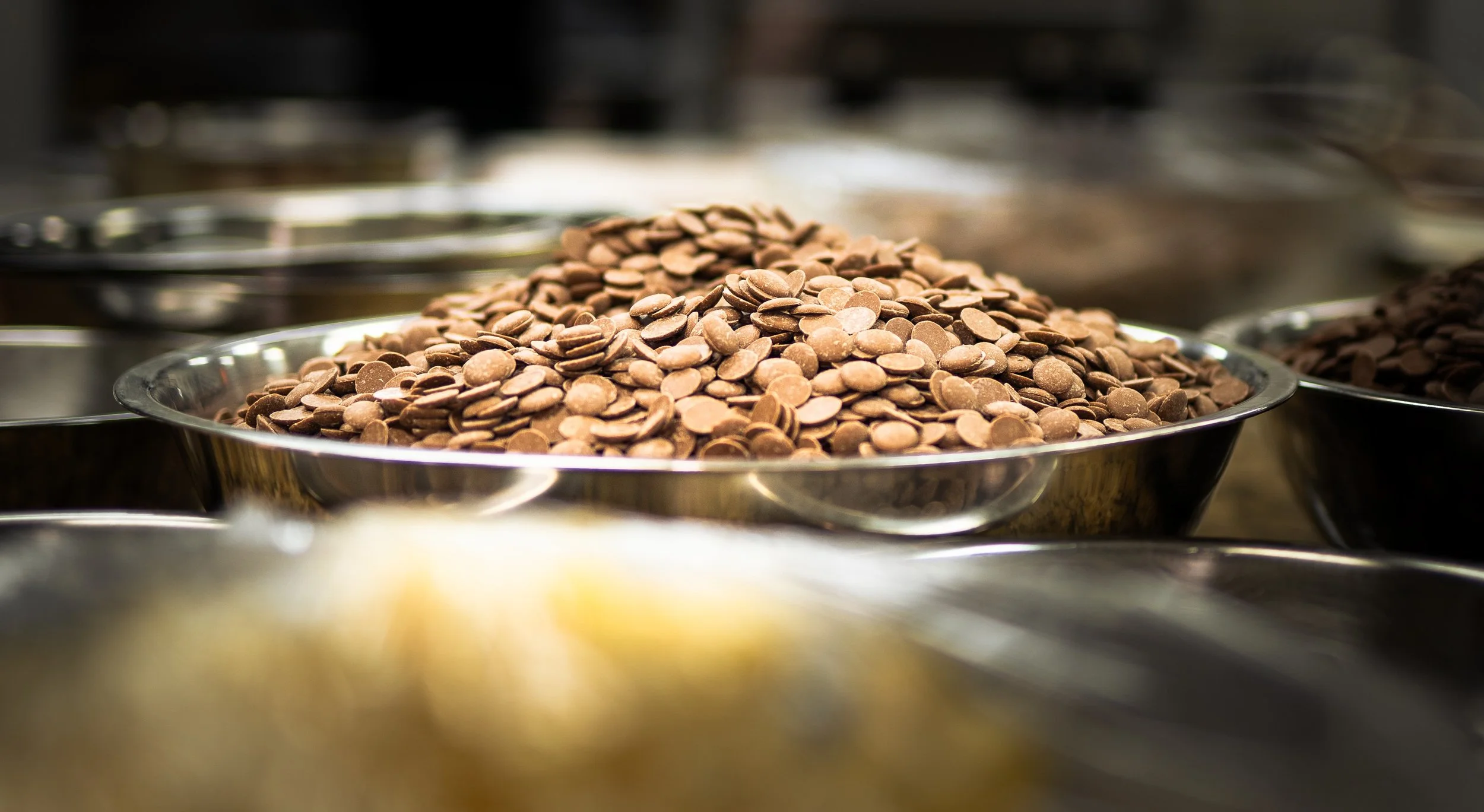
When you bite into a fine chocolate bonbon, the first thing you notice may be the flavor inside. But before you reach the ganache, caramel or praline, the chocolate shell has already shaped the experience.
Its shine, delicate snap, smooth melt and balanced flavor all depend partly on the type of chocolate used and how it is handled. Professional chocolatiers often work with couverture chocolate because it provides the fluidity, texture and finish needed for molded and enrobed confections.
At Jean-Marie Auboine Chocolatier, we use Swiss Felchlin couverture throughout our premium handcrafted chocolate collections. Here is what couverture chocolate is, and why that choice matters.
Discover what goes into our chocolates, from Swiss couverture to real fruit purées, house-made pralines and carefully prepared caramels.
Couverture Chocolate, Explained Simply
Couverture is a professional-quality chocolate made with cocoa solids, sugar and a relatively generous proportion of cocoa butter.
The word comes from the French term for “covering.” That name reflects one of its principal uses: coating bonbons, bars and other confections with a thin, even layer of chocolate.
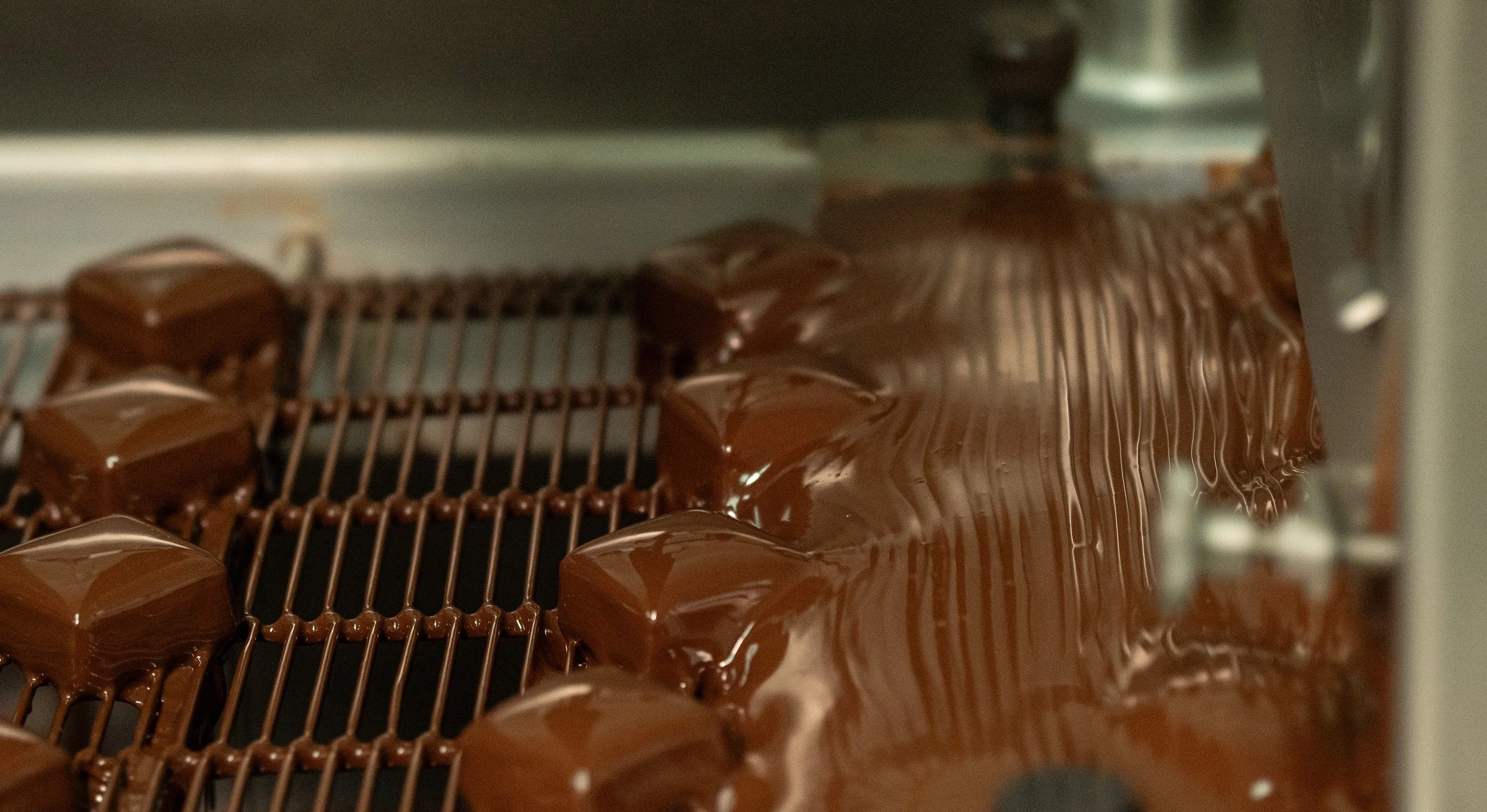
When properly melted and tempered, couverture becomes fluid enough to flow smoothly into molds or around a filling. As it cools, it develops the polished appearance and clean texture associated with fine chocolate.
Couverture is available in dark, milk and white varieties. The term does not describe one particular flavor or cocoa percentage; it refers to the chocolate’s composition and performance.
Explore our chocolate flavor guide to discover the ganaches, pralines, caramels and layered fillings found inside our bonbons.
Is Couverture the Same as Regular Chocolate?
Not exactly.
Many ordinary eating chocolates are designed to be enjoyed directly as bars. Baking chocolates and chocolate chips may be formulated to hold their shape or behave predictably in cookies, cakes and other recipes.
Couverture is created specifically for professional chocolate work. Its higher cocoa-butter content generally gives it greater fluidity when melted, making it especially suitable for:
Molding chocolate bonbons
Creating thin chocolate shells
Enrobing caramels and confections
Producing smooth, even coatings
Dipping fruit, nuts or other centers
Making decorative chocolate elements
That does not mean couverture is automatically the correct chocolate for every recipe. A chocolate chip that remains visible inside a cookie serves a different purpose from a couverture used to create a delicate bonbon shell.
The important question is not simply which chocolate is “better,” but which one is appropriate for the result being created.
Why Cocoa Butter Makes a Difference
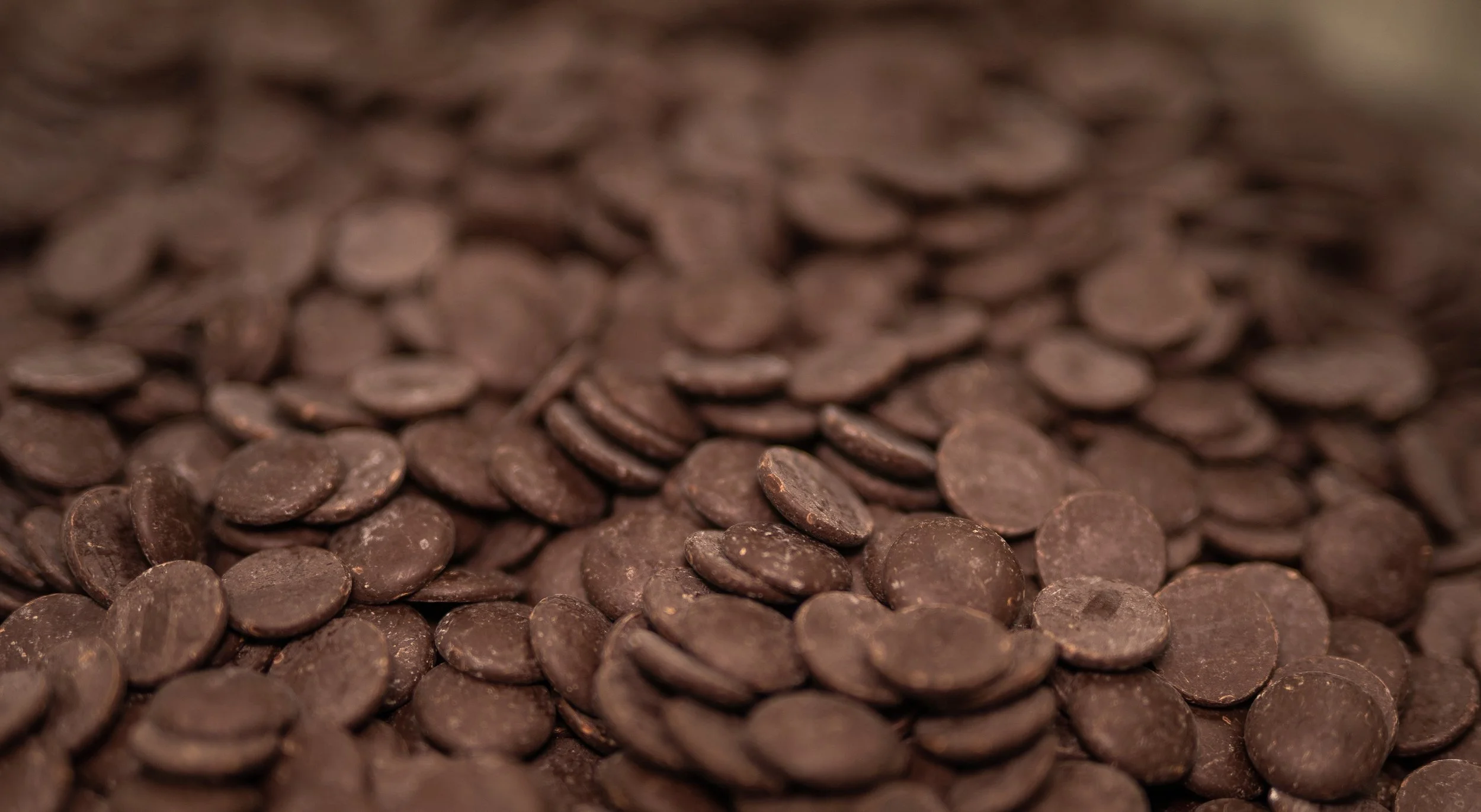
Cocoa butter is the natural fat found in cocoa beans. It plays an important role in how chocolate flows, sets and melts.
A couverture with the right fluidity can form a thinner shell around a bonbon. That matters because an overly thick coating can dominate the filling and make the piece harder to bite.
A well-proportioned shell should:
Break cleanly without feeling heavy
Protect the filling inside
Melt smoothly on the palate
Complement rather than overpower the flavor
Provide enough structure for the chocolate to be handled and packaged
Cocoa butter also contributes to chocolate’s characteristic melting behavior. Because it begins to soften near body temperature, a properly made chocolate can feel firm in the hand and then melt smoothly as you eat it.
The Role of Tempering
Even excellent couverture will not produce a polished result if it is not tempered correctly.
Tempering is the controlled process of heating, cooling and gently reheating chocolate so the cocoa butter forms stable crystals. When done properly, the finished chocolate develops:
A smooth, glossy surface
A clean snap
A firm structure at room temperature
An even texture
Better resistance to unwanted streaks or dullness
Tempering requires close attention to temperature, movement and timing. Different chocolates may also behave differently depending on their composition and the conditions in the kitchen.
This is one reason professional chocolate production involves more than simply melting chocolate and pouring it into a mold.
What Does Couverture Change in a Chocolate Bonbon?
Couverture affects the entire experience of a bonbon, even when the filling receives most of the attention.
A Finer Shell
Its fluidity allows the chocolatier to create a shell that is thin enough to break easily while remaining strong enough to hold the filling.
A Smoother Melt
The cocoa butter helps the chocolate melt cleanly, allowing the flavor of the shell and the filling to develop together.
A Refined Finish
Correctly tempered couverture can produce the smooth surface and subtle shine associated with molded fine chocolates.
Better Flavor Balance
The shell should frame the filling rather than cover it up. The bitterness of dark chocolate, the creaminess of milk chocolate or the sweetness of white chocolate can each be selected to complement a particular ganache, caramel or praline.
For example, a fruit filling may benefit from the contrast of dark chocolate, while a nut praline may pair naturally with milk chocolate. The choice depends on the complete composition of the bonbon.
These qualities can be experienced throughout our Signature Chocolate Collections, which include colorful, dark and assorted selections.
Does a Higher Cocoa Percentage Mean Better Chocolate?
No. Cocoa percentage tells you how much of the product comes from cocoa ingredients, including cocoa solids and cocoa butter. It does not tell you everything about quality or flavor.
A higher percentage usually produces a more intense and less sweet chocolate, but that does not automatically make it superior. Origin, fermentation, roasting, formulation and the balance between cocoa solids and cocoa butter can all influence the final result.
The best percentage depends on how the chocolate will be used.
A very intense dark chocolate may be enjoyable on its own but overpower a delicate fruit ganache. A softer milk chocolate may provide a better balance with caramel or hazelnut praline.
Fine chocolate is not a competition to find the highest number. It is about choosing the chocolate that supports the intended flavor and texture.
Why We Use Swiss Felchlin Couverture
Jean-Marie Auboine Chocolatier works with Swiss Felchlin couverture chocolate across our collections.
Felchlin produces couvertures with distinctive flavor profiles and the performance required for professional molding, enrobing and pastry work. This allows Chef Jean-Marie and our team to select the chocolate that best complements each creation rather than using the same shell for every filling.
The couverture is only one part of the finished bonbon. It is paired with ingredients such as:
Real fruit and fruit purées
Real nuts
Pralines prepared from scratch
House-made caramels
Ganaches developed for flavor and texture
Crisp and layered inclusions
The quality of the shell and the quality of the filling must work together. A beautiful couverture cannot compensate for an unbalanced center, just as an excellent filling deserves a chocolate shell that supports it properly.
How to Recognize a Well-Made Chocolate Shell
You do not need professional training to notice the difference.
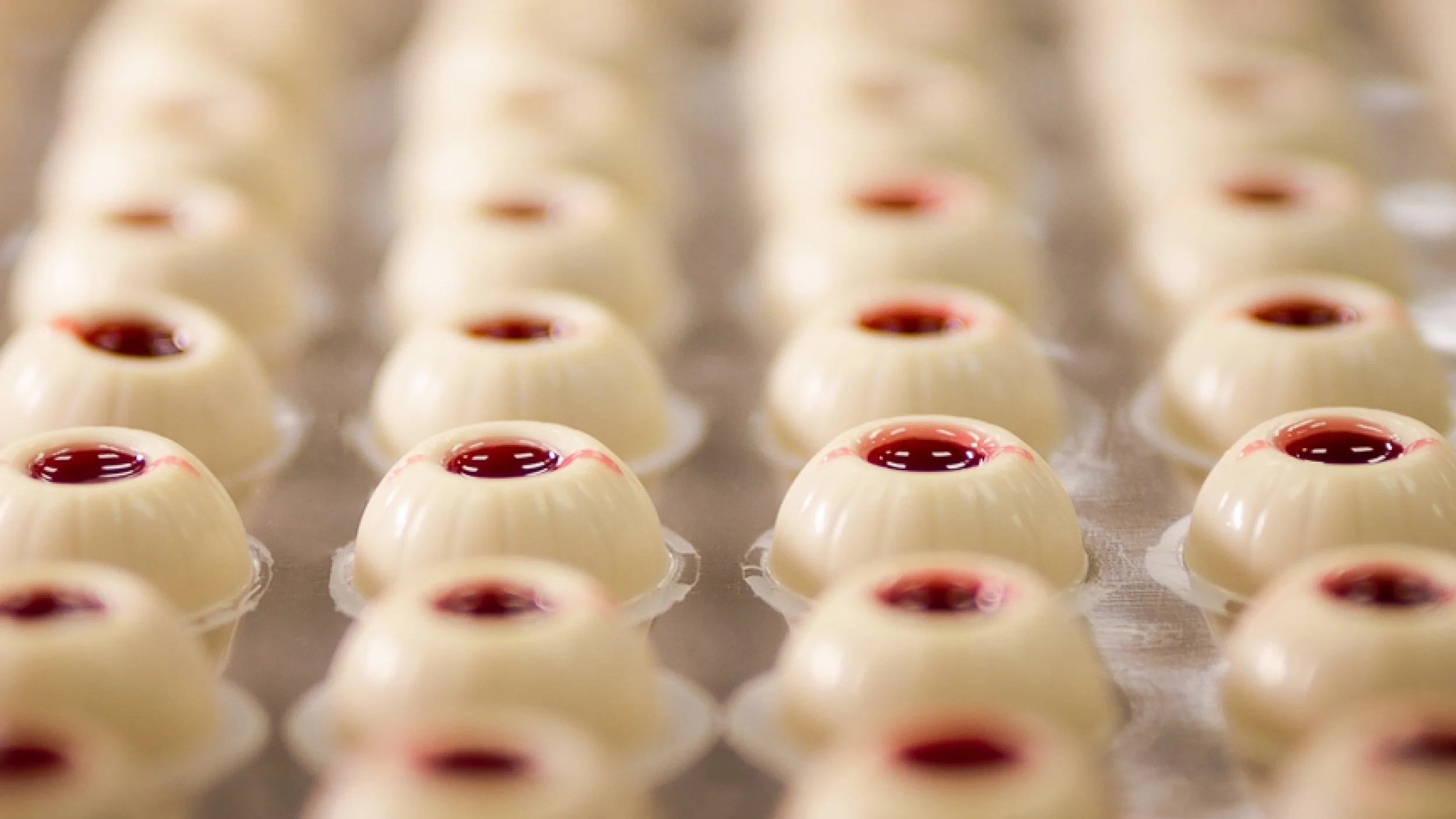
A well-made bonbon should generally have a smooth surface and feel firm without being difficult to bite. When you break or bite into it, the shell should separate cleanly rather than crumble or bend excessively.
As you eat it, notice whether:
The chocolate melts smoothly
The shell feels proportionate to the filling
The flavor of the chocolate remains distinct
The coating and center complement each other
The piece feels balanced from the first bite to the finish
Appearance can offer useful clues, but fine chocolate should ultimately be judged by the complete tasting experience.
For more guidance on evaluating ingredients, service and craftsmanship, read how to find a good chocolatier near you.
Why Storage Still Matters
Couverture chocolate remains sensitive to heat, humidity, light and sudden temperature changes.
Even a properly tempered chocolate may lose its shine, soften or develop bloom when stored incorrectly. Bloom can appear as pale streaks or a cloudy surface. It does not necessarily mean the chocolate is unsafe, but it can affect its appearance and texture.
For the best experience:
Keep chocolates in a cool, dry place
Protect them from direct sunlight
Avoid leaving them in a parked vehicle
Keep them away from strong odors
Follow the storage instructions included with the order
Use the recommended seasonal shipping method when ordering online
Proper storage helps preserve the qualities the chocolatier worked to create.
Frequently Asked Questions
-
Couverture can be dark, milk or white. The term describes its composition and professional use, not a specific type or cocoa percentage.
-
Yes. Couverture is real chocolate and can be eaten directly, although it is particularly valued for molding, enrobing and other professional chocolate techniques.
-
Its proportion of cocoa butter generally allows it to flow more easily, helping chocolatiers create thin shells and smooth coatings.
-
It should be tempered when a glossy finish, clean snap and stable structure are required, as with molded bonbons, bars and enrobed confections.
-
Couverture is especially well suited to fine chocolate work, but different recipes require different products. The most appropriate chocolate depends on the texture, flavor and result being created.