
How Handcrafted Chocolate Bonbons Are Made: From Chocolate to Finished Piece
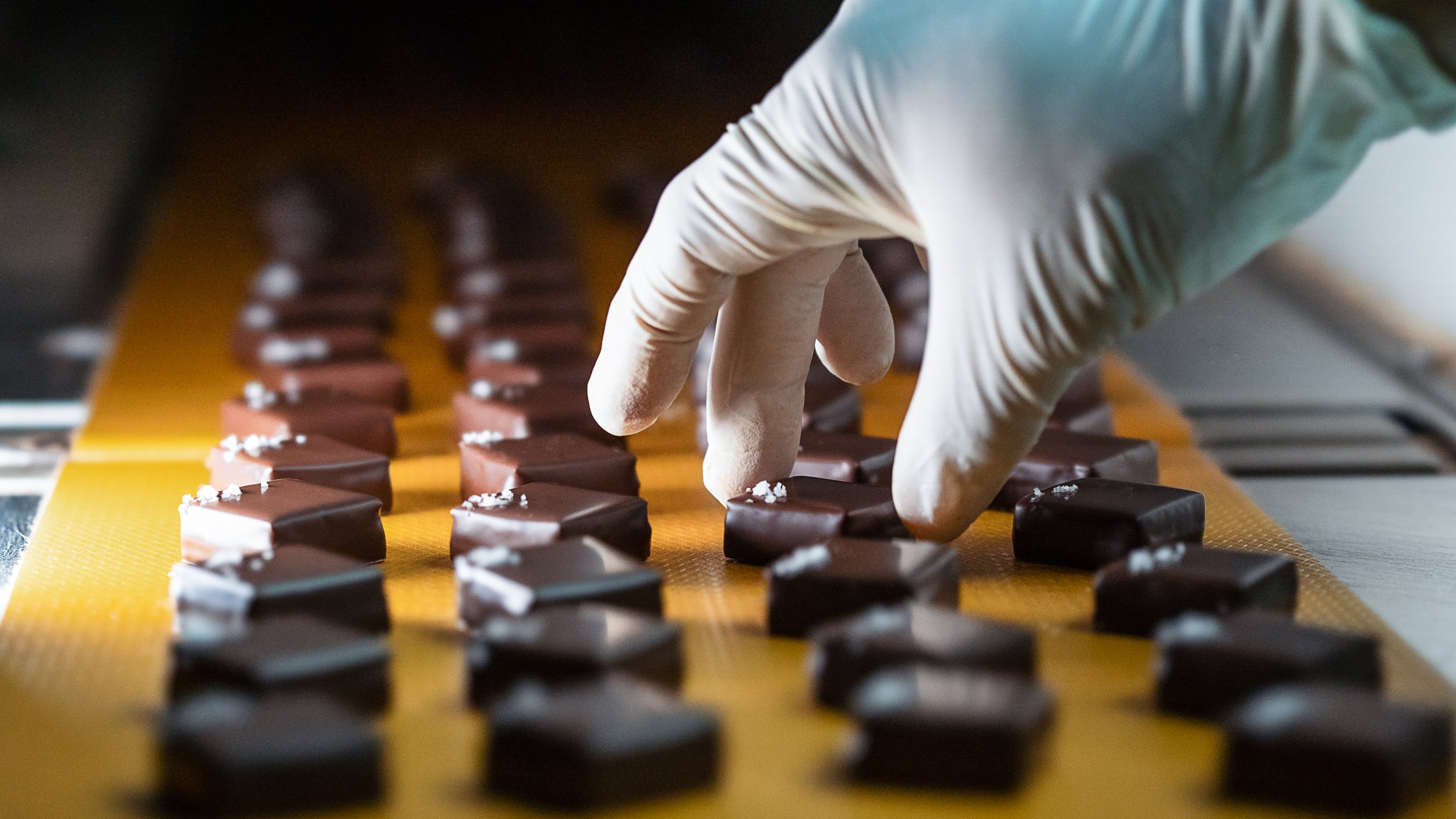
The creation of handcrafted chocolate bonbons is a precise process that combines technical skill, timing, and attention to detail. From the selection of chocolate to the final finish, each step plays a role in achieving both visual refinement and balanced flavor.
At Jean-Marie Auboine Chocolatier, this process is guided by a commitment to quality, where each bonbon is crafted to deliver a consistent and elevated experience.
Step 1: Selecting the Chocolate
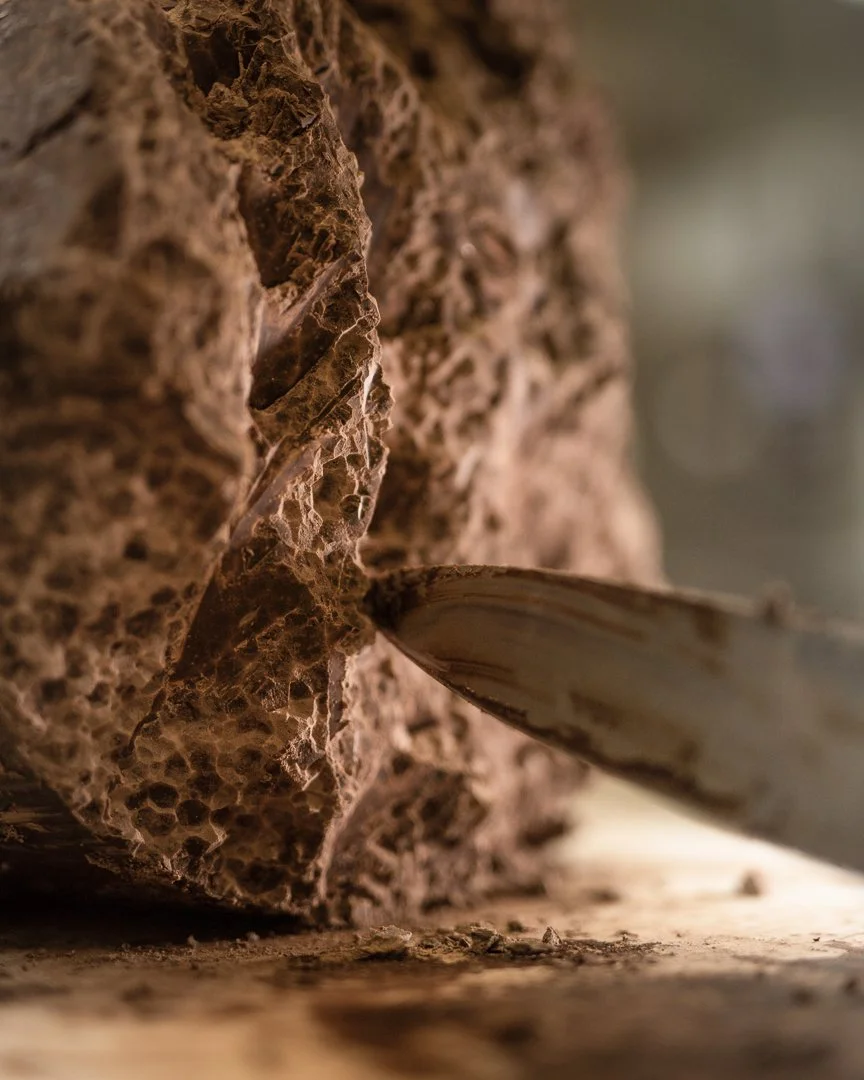
Every bonbon begins with the choice of chocolate.
High-quality bonbons are made using couverture chocolate, known for its higher cocoa butter content and smoother texture. The selection of chocolate influences:
Flavor profile (more or less intense, bitter, or sweet)
Texture and melt
Overall balance with the filling
Choosing the right chocolate is essential, as it serves as both the structure and a key flavor component.
Step 2: Tempering for Structure and Shine
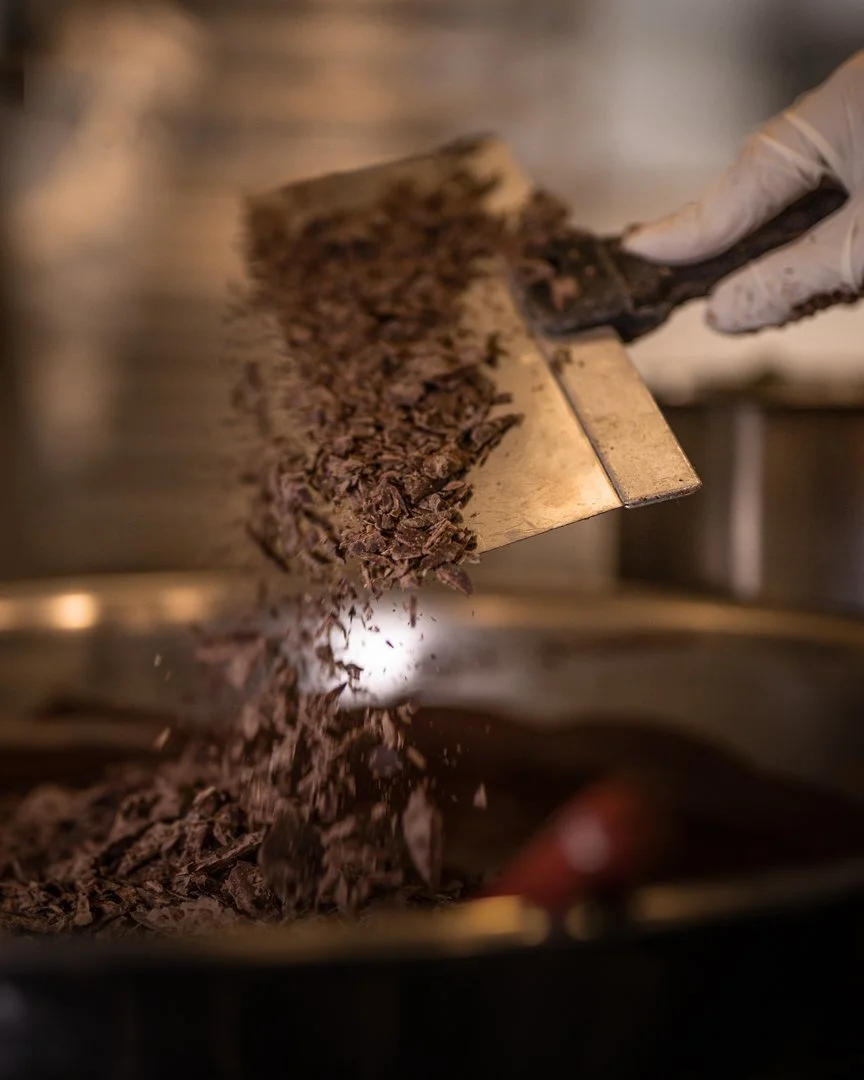
Before shaping the bonbons, the chocolate must be tempered.
Tempering is the process of carefully controlling temperature so the cocoa butter crystallizes properly. This ensures:
A glossy finish
A clean snap
Stability at room temperature
This step is often done using precision equipment to maintain consistency while achieving a refined result.
Step 3: Creating the Shell or Coating
At this stage, the bonbon begins to take shape.
There are two primary approaches:
Molded Bonbons
Chocolate is poured into molds to create a thin outer shell. These are often used for bonbons with decorative finishes.
Enrobed Bonbons
The filling is first prepared and then coated in chocolate using an enrobing process, resulting in a more classic appearance focused on texture and balance.
Both methods require precision to achieve the right thickness and structure.
Step 4: Color and Finish (for Molded Bonbons)
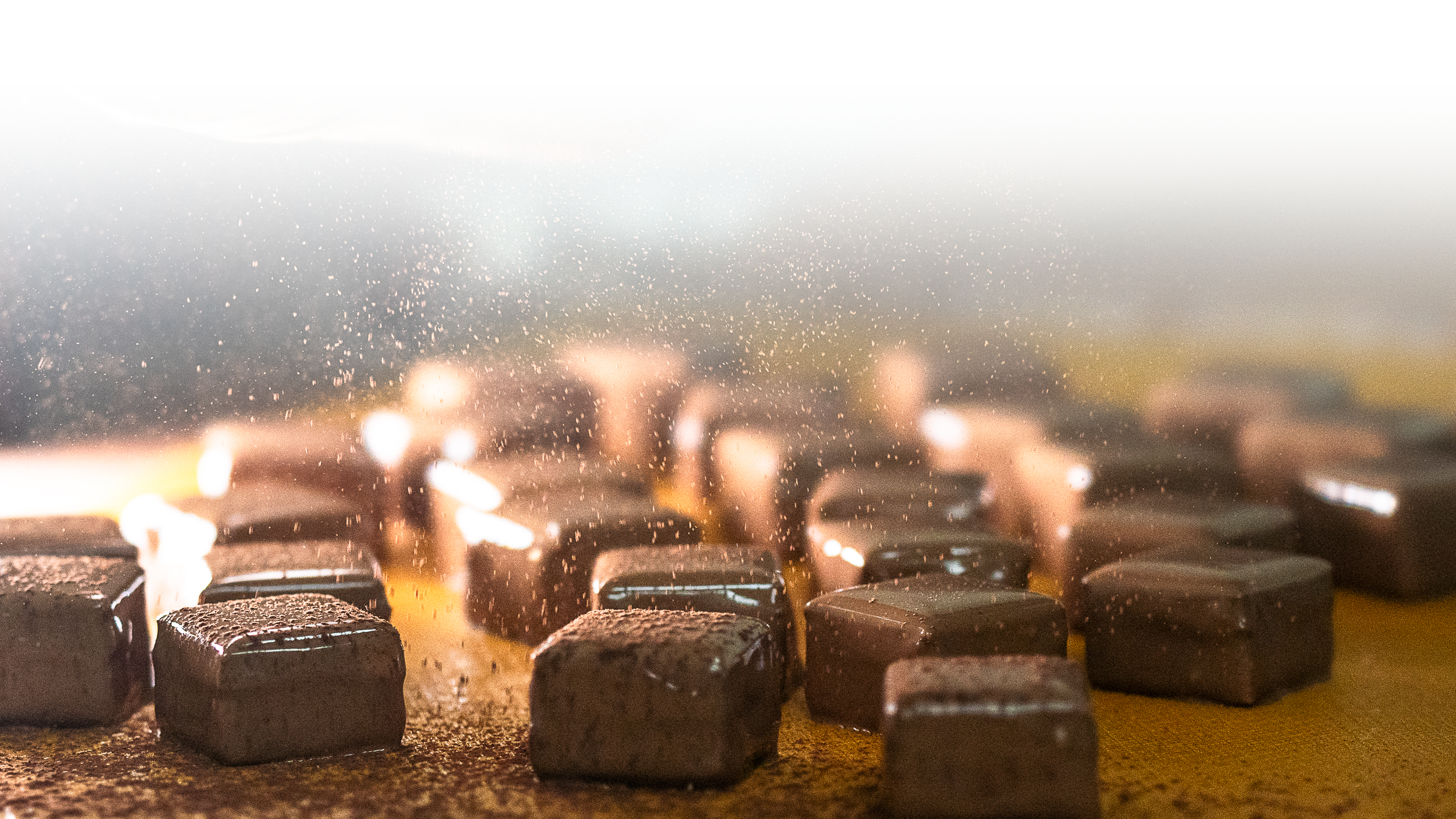
For molded bonbons, color and design are applied before the chocolate shell is formed.
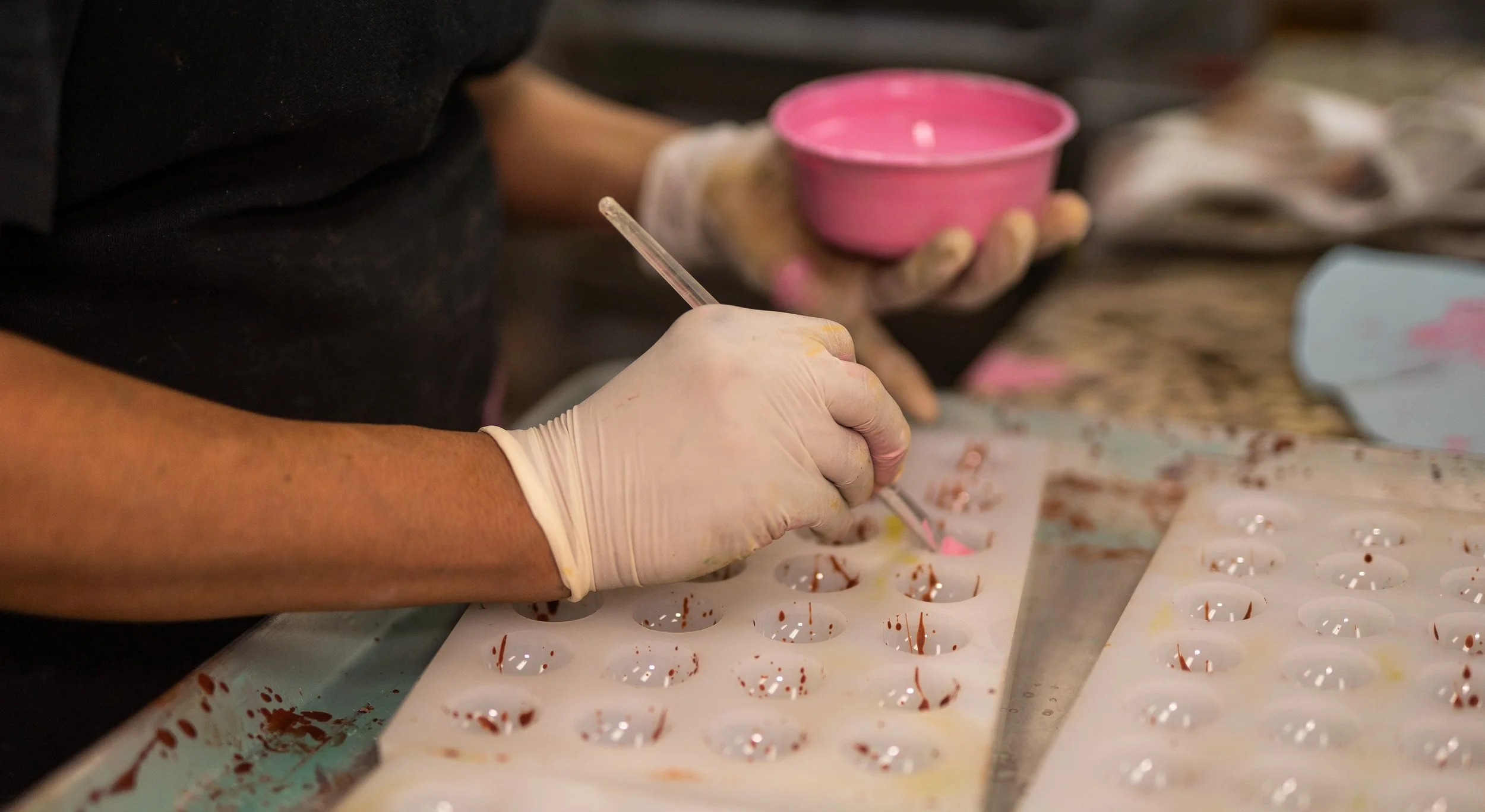
Techniques may include:
Airbrushing for smooth gradients
Splatter effects for contrast and movement
Occasional hand-painted details for added refinement
These methods create visually distinctive pieces while maintaining consistency across the collection.
Step 5: Preparing the Fillings
The interior of each bonbon is crafted separately.
Common fillings include:
Ganaches: smooth blends of chocolate and cream
Pralines: nut-based preparations with a refined texture
Caramel or fruit components: adding contrast and brightness
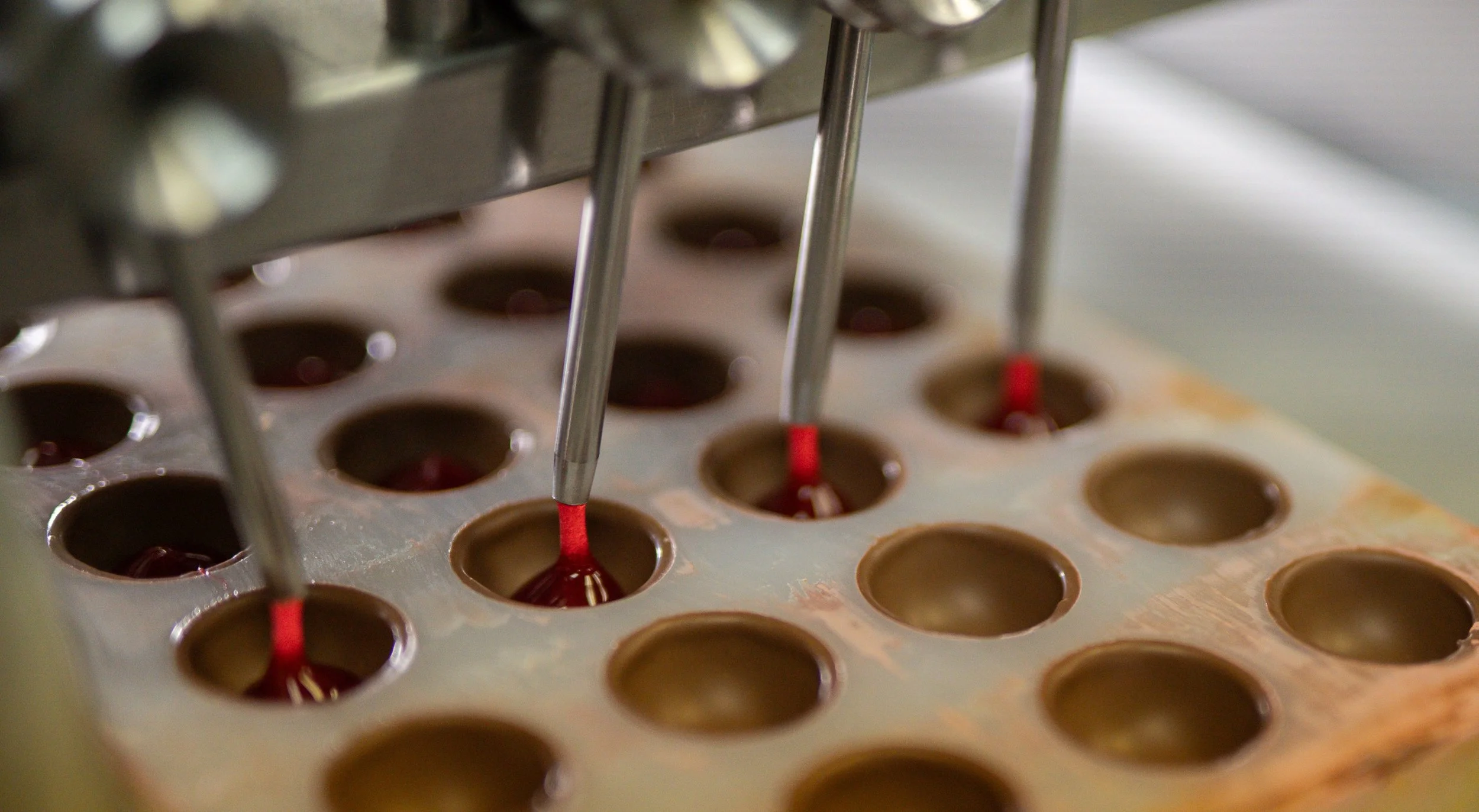
Some bonbons may feature layered fillings, combining multiple elements—such as a fruit component with a ganache—to create a more complex tasting experience.
Step 6: Filling and Sealing
Once the shells are ready, they are filled and sealed.
This step requires precise timing:
Fillings must be at the right consistency
Shells must be properly crystallized
The base must be sealed cleanly with chocolate
A well-executed seal ensures both structure and preservation of the filling.
Step 7: Demolding and Finishing
After the bonbons have set, they are removed from molds or finalized after enrobing.
At this stage:
Each piece is inspected
Surface quality is checked
Imperfections are removed
This final step ensures consistency and presentation across the entire collection.
Why the Process Matters
The level of care involved in each step directly affects the final result.
A well-made bonbon offers:
A clean snap from the shell
Smooth, balanced fillings
A refined visual presentation
This process is what distinguishes high-end bonbons from mass-produced chocolates, where speed and extended shelf life often take priority over precision and freshness.
The finishing process contributes to the growing appreciation for bonbons as a form of modern art chocolate, where technique and presentation work together.
Discover Handcrafted Bonbons
Explore the collections at Jean-Marie Auboine Chocolatier, where each bonbon reflects a careful balance of technique, flavor, and design.
→ Our Chocolate Boxes Page
→ Our 20pc Colorful Chocolate Collection Box
FAQ
-
Handcrafted chocolate bonbons are made through a multi-step process that includes selecting high-quality chocolate, tempering it for proper structure, creating shells or coatings, preparing fillings, and finishing each piece with precision. Each step requires careful control of temperature, texture, and timing to achieve a refined result.
-
Molded bonbons are created using chocolate molds to form a shell, often allowing for decorative finishes and color work. Enrobed bonbons are made by coating a prepared filling in chocolate, resulting in a more classic appearance that emphasizes texture and flavor balance.
-
Tempering ensures that chocolate has the correct crystalline structure, which gives it a glossy finish, a clean snap, and stability at room temperature. Without proper tempering, chocolate can appear dull, melt easily, or develop an uneven texture.
-
High-end bonbons typically include ganaches, pralines, caramels, and fruit-based fillings. Some also feature layered combinations, bringing together different textures and flavors within a single piece.
-
Handcrafted bonbons involve a combination of skilled manual work and precision equipment. While certain steps, such as tempering or molding, may use machines for consistency, the process still requires expertise, careful control, and attention to detail at every stage.