
How to Choose High-End Chocolate Bonbons | Luxury Guide
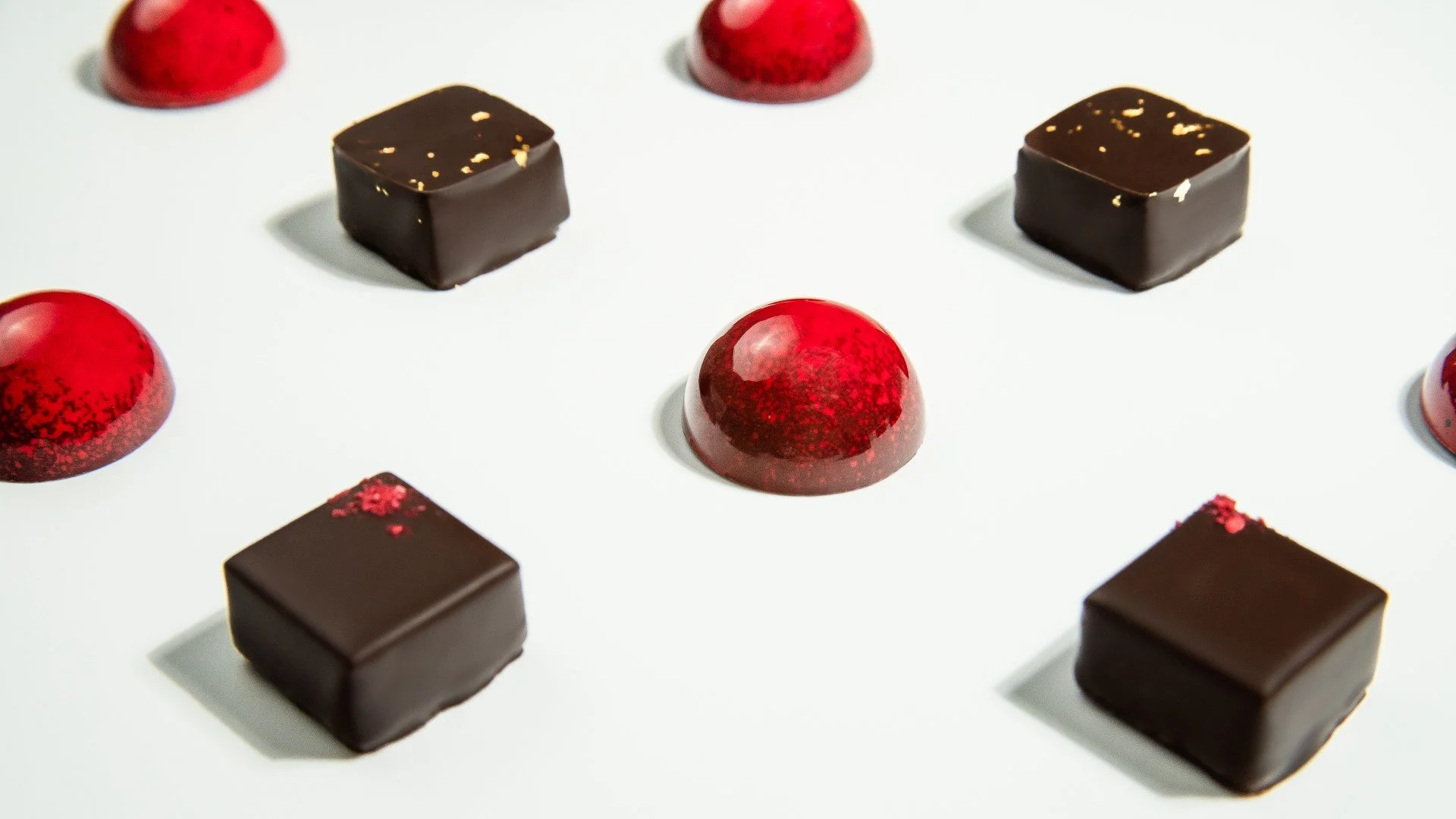
When selecting artisan bonbons, subtle differences in craftsmanship, ingredients, and execution can significantly impact quality. While many chocolates may appear visually appealing, knowing what to look for helps distinguish truly refined collections from those that are primarily decorative.
At Jean-Marie Auboine Chocolatier, this level of precision guides every collection, where each bonbon is crafted to balance both visual refinement and depth of flavor.
The Chocolate Shell: A First Indicator of Quality
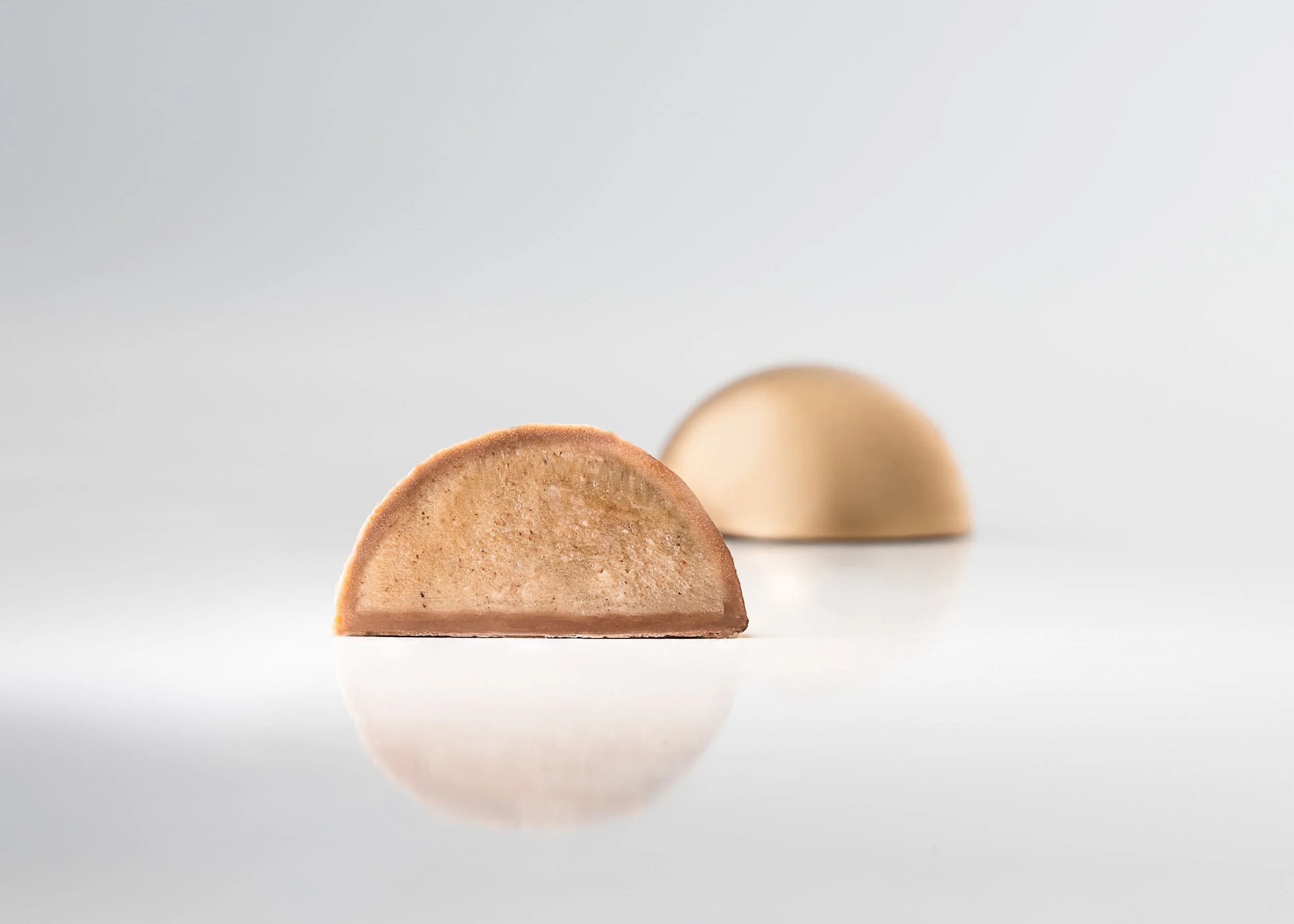
The outer shell is one of the most revealing elements of a bonbon.
A high-quality shell should be:
Thin and delicate
Smooth and glossy
Cleanly tempered, with a crisp snap
A shell that is too thick, dull, or uneven can overpower the filling and often signals less precise technique.
Finish and Design: Precision Over Decoration
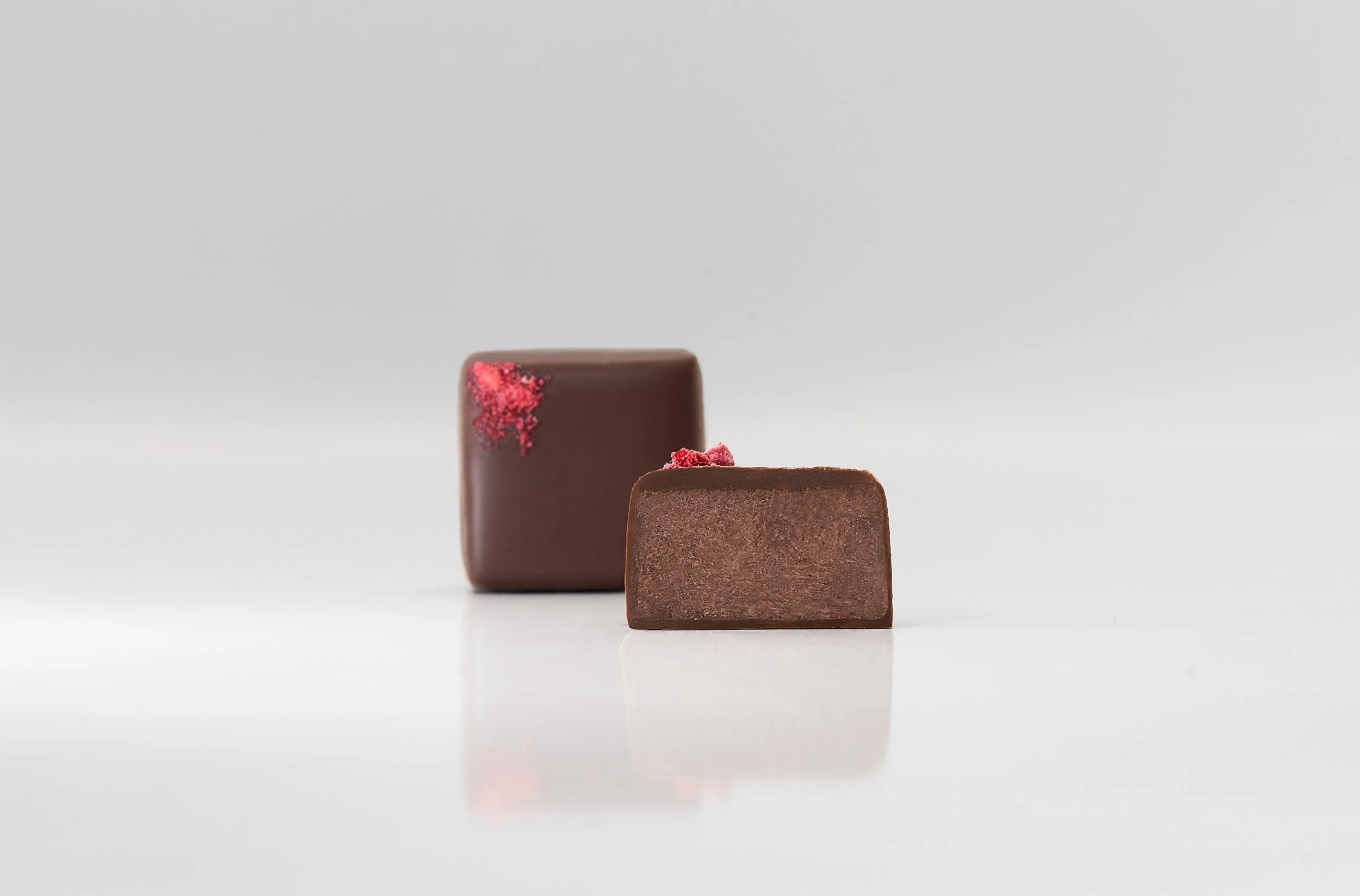
While molded bonbons often highlight decorative finishes, enrobed bonbons reflect craftsmanship through coating precision, texture, and balance rather than visual design.
For molded pieces, look for:
Clean, intentional color work
Consistent finishes across the collection
Controlled use of techniques such as airbrushing or splatter
Inconsistent finishes or overly busy designs can sometimes prioritize appearance over craftsmanship. The most refined bonbons achieve visual impact through precision and control.
Some collectors and chocolate enthusiasts are drawn to bonbons that blur the line between confection and art chocolate, where visual precision is just as important as flavor balance.
Flavor Balance: Beyond Sweetness
One of the clearest signs of high-end bonbons is flavor balance.
Well-crafted bonbons should:
Avoid excessive sweetness
Highlight distinct flavor notes
Deliver a clean, refined finish
When sweetness dominates, it can mask the quality of both the chocolate and the filling.
The Filling: Texture and Complexity
The interior structure reveals much about the chocolatier’s technique.
High-quality fillings typically include:
Smooth, well-emulsified ganaches
Pralines with a refined texture (not overly sugary)
Caramel or fruit components that complement the chocolate
More advanced bonbons may also feature layered fillings, combining textures and flavors within a single piece. Poorly executed fillings may feel grainy, overly dense, or unbalanced.
Ingredient Quality: What’s Behind the Flavor
Ingredient selection plays a critical role in the final result.
Look for:
Use of premium couverture chocolate
Carefully sourced nuts, fruits, and dairy
Fresh production in smaller batches
At Jean-Marie Auboine Chocolatier, the use of high-quality couverture and carefully selected ingredients contributes to a more refined and balanced tasting experience.
Freshness and Shelf Life: A Sign of Quality
Artisan bonbons are often made without long-term preservatives, resulting in a shorter but more natural shelf life.
This typically means:
More vibrant flavors
Better texture integrity
Production in smaller, fresher batches
Bonbons designed for extended shelf life may sacrifice some of this freshness and nuance.
Consistency Across the Collection
Beyond individual pieces, consistency is a key indicator of craftsmanship.
A well-executed box should show:
Uniform shell thickness
Cohesive visual presentation
Reliable flavor execution from piece to piece
Variations in quality within the same box can indicate less controlled production.
Presentation: The Final Layer of the Experience
Luxury bonbons extend beyond taste into presentation.
Look for:
Structured, protective packaging
A refined, gift-ready appearance
Attention to detail in the overall experience
At Jean-Marie Auboine Chocolatier, signature magnetic closure boxes are designed to elevate the presentation, reinforcing the sense of quality from the moment the box is opened.
Quick Guide: How to Evaluate Artisan Bonbons
When choosing a collection, keep these key indicators in mind:
Thin, clean chocolate shell
Balanced—not overly sweet—flavors
Smooth, well-executed fillings
Consistent and refined finishes
High-quality ingredients
Fresh, small-batch production
Discover Artisan Bonbons
Explore the collections at Jean-Marie Auboine Chocolatier, where craftsmanship, refined flavor pairings, and elegant presentation come together in a truly elevated chocolate experience.
→ Our Chocolate Boxes page
→ Our 40pc Assorted Chocolate Collection Box
FAQ
-
A high-quality bonbon is defined by a thin, glossy shell with a clean snap, balanced flavors that are not overly sweet, and smooth, well-executed fillings. Consistency across the entire collection and the use of premium ingredients are also strong indicators of refined craftsmanship.
-
Artisan chocolates are produced in smaller batches with greater attention to technique, ingredient quality, and flavor balance. They often feature more complex fillings and fresher components, while mass-produced chocolates are designed for longer shelf life and large-scale consistency.
-
Hand-painted bonbons can demonstrate a high level of craftsmanship, but they are not the only indicator of quality. Techniques such as airbrushing and controlled finishing can achieve equally refined results. Overall quality depends on execution, flavor balance, and precision rather than decoration alone.
-
Artisan bonbons require more time, skill, and high-quality ingredients to produce. Each step—from tempering chocolate to preparing fillings and finishing the pieces—is done with precision, often in small batches. This level of craftsmanship and attention to detail contributes to the higher price.
-
High-end bonbons typically include ganaches, pralines, caramels, and fruit-based components. Some may also feature layered fillings that combine multiple textures and flavors within a single piece, creating a more complex and refined tasting experience.